
Estrogen Receptor and Vascular Aging
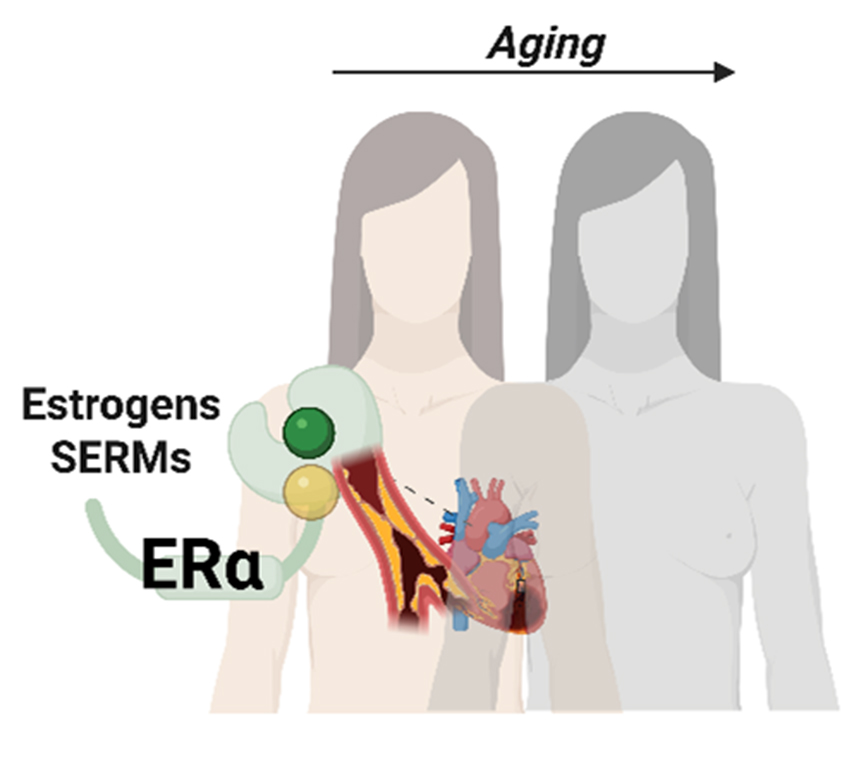
Cardiovascular diseases (CVD) are a major cause of morbidity and mortality in women, with their incidence increasing markedly after menopause. Experimental studies have established that estrogens exert multiple protective effects on the arterial wall, particularly through estrogen receptor alpha (ERα) signaling in endothelial cells. However, the cardiovascular benefit of menopausal hormone therapy appears to depend strongly on the age and vascular status at treatment initiation, giving rise to the “timing hypothesis”.
In this presentation, I will first review the cellular and molecular mechanisms underlying the vascular actions of estrogens, with a particular focus on endothelial ERα signaling. I will then present experimental evidence showing that vascular aging is associated with a selective impairment of arterial responsiveness to 17β-estradiol, despite preserved ERα expression. These findings suggest that aging reshapes estrogen signaling in a cell- and pathway-specific manner rather than simply reducing receptor abundance.
Finally, I will discuss how different estrogens can engage distinct cellular targets and ERα signaling pathways, and how these mechanistic differences may determine their ability to preserve arterial protection during aging. Understanding how vascular aging modifies estrogen receptor signaling may help identify new strategies to optimize the cardiovascular effects of menopausal hormone therapy.
Sur invitation de
Équipe(s)
Lieu
Auditorium, IGBMC
Conférencier(ère)s
Dr. Coralie FONTAINE
I2MC Institut des Maladies Métaboliques et Cardiovasculaires
Toulouse