
Towards reconstituting human post-gastrulation development and organogenesis in vitro
Human post-gastrulation development represents a critical yet poorly understood phase of embryogenesis during which the body plan is established and organogenesis is initiated. Owing to the limited accessibility of human embryos and significant species-specific differences in developmental programs, many of the cellular and molecular mechanisms governing these processes remain elusive. To address this challenge, our laboratory develops advanced stem cell-based in vitro models that recapitulate key aspects of early human and non-human primate development and tissue self-organization.
As a first step toward modeling human early development in vitro, we established initially stell-based 2D models of the human and mouse segmentation clock, a molecular oscillator which controls the segmentation process in vertebrates (Matsuda, Yamanaka et al., Nature 2020; Matsuda et al., Science 2020). We then established also human “axioloids”, self-organizing 3D stem cell-derived models that reproduce major features of somitogenesis and axial embryonic development (Yamanaka et al., Nature 2023). Human PSC-derived axioloids exhibit coordinated segmentation clock oscillations, progressive axial elongation, periodic formation of epithelial somites, and molecular patterning reminiscent of the developing human embryo. Importantly, axioloids recapitulate key aspects of the spatiotemporal organization of the presomitic mesoderm and emerging vertebral axis and provide a tractable platform for studying the developmental basis of congenital spine disorders.
Building on these advances, we are now developing next-generation in vitro models that capture increasingly complex aspects of human post-gastrulation development, including coordinated multi-lineage interactions, tissue morphogenesis, and the earliest stages of organ formation. These emerging systems provide unprecedented opportunities to investigate fundamental mechanisms underlying human embryogenesis and organogenesis in experimentally accessible settings.
In this presentation, I will discuss our recent progress in modeling human and non-human primate peri- and post-gastrulation development and early organogenesis in vitro, highlighting how these new platforms are enabling the study of developmental processes that have previously remained inaccessible in humans and other primates. Ultimately, these efforts seek to advance our understanding of human development, disease and evolution, while establishing new avenues for disease modeling, regenerative medicine, and therapeutic discovery.
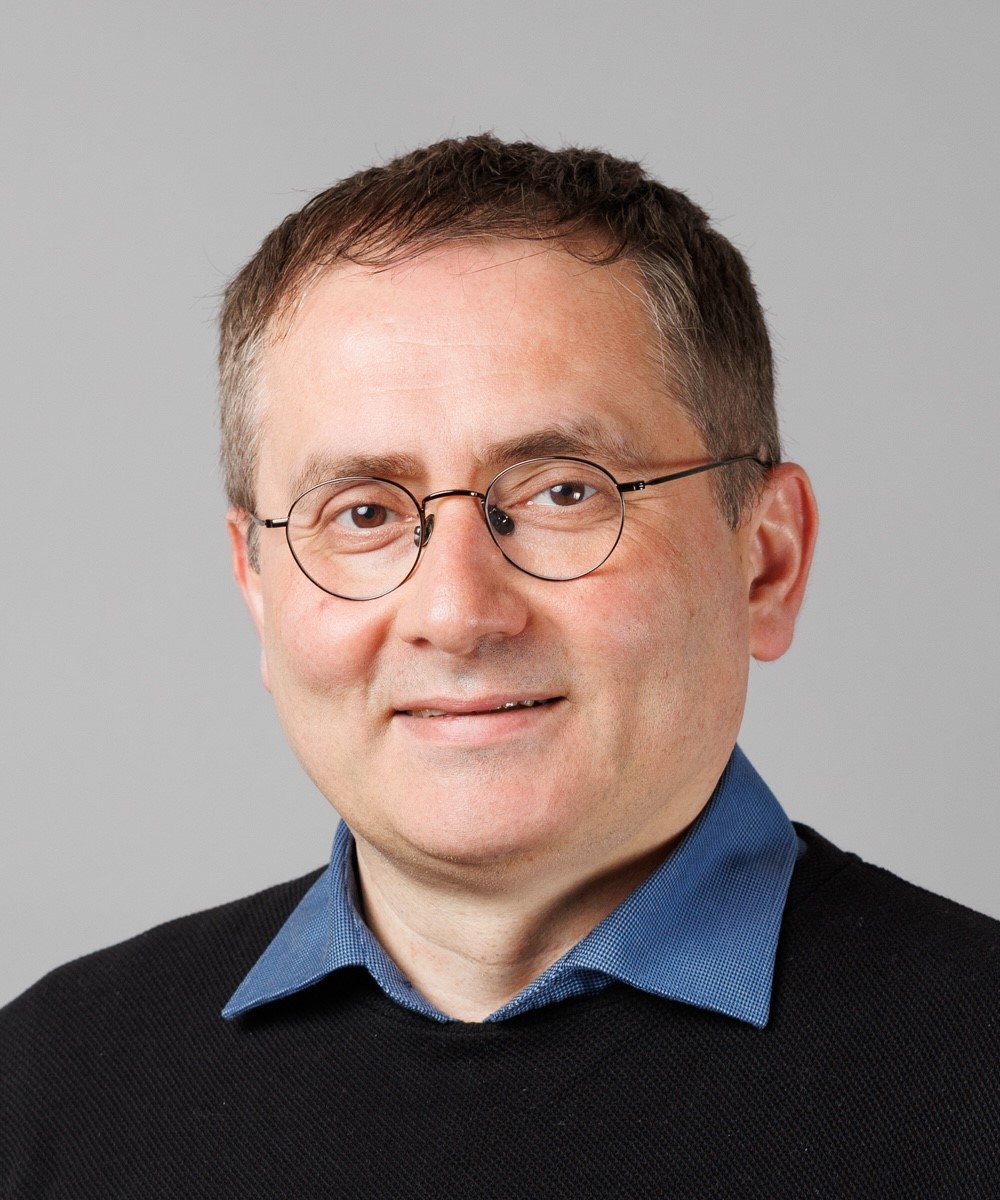
Speaker(s)
Prof. Cantas ALEV
Institute for the Advanced Study of Human Biology (ASHBi), Kyoto University
Japon